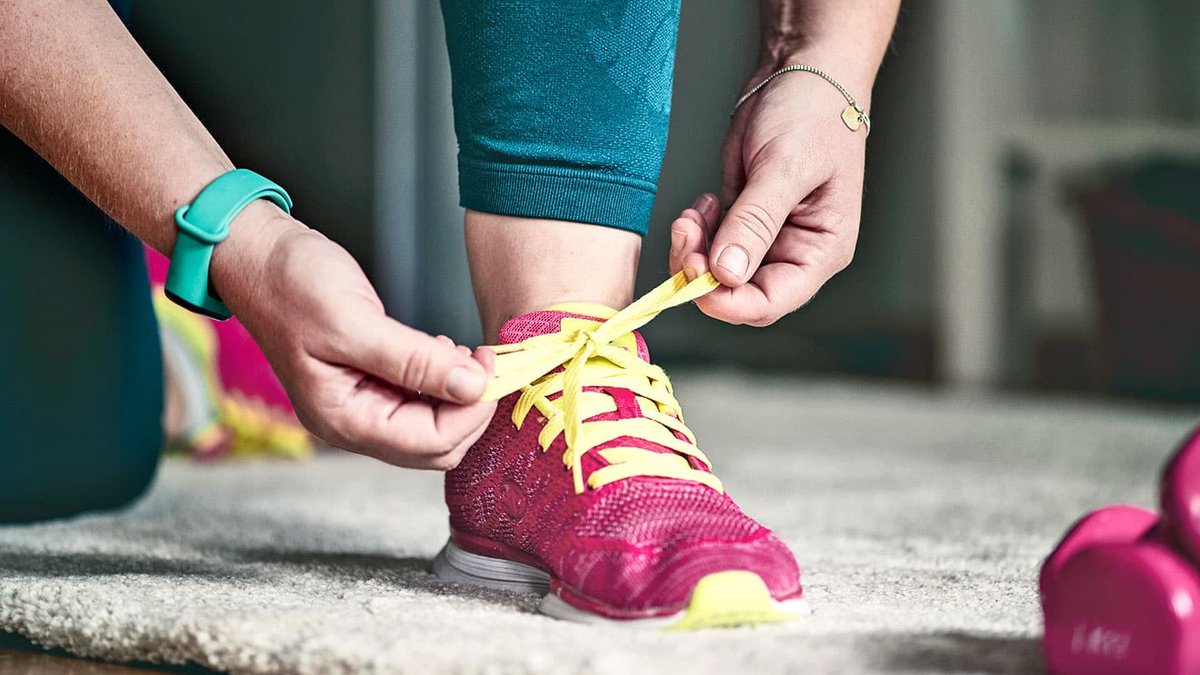
People with severe obesity who exercise after losing weight develop healthier blood vessels and lower inflammation than those who rely only on weight-loss drugs, a University of Copenhagen study found.
Exercise improves artery health, drugs don’t
The research tracked 130 adults with severe obesity for a year after they completed a low-calorie diet and lost an average of 30 pounds. Participants were divided into four groups: exercise only, the drug liraglutide only, exercise plus liraglutide, and a placebo.
Those who exercised experienced a 6–7% reduction in the thickness of their carotid artery walls, a key marker of cardiovascular risk. Thicker artery walls raise the likelihood of atherosclerosis, blood clots, and stroke. The groups taking only liraglutide or the placebo showed no improvement in artery health.
Inflammation levels also decreased in the exercise groups. Chronic inflammation contributes to heart disease, and even moderate physical activity lowered these markers.
Moderate activity delivers results
The exercise program required no extreme effort. Participants averaged about two and a half hours of activity per week, mostly spinning and circuit training. Heart-rate monitors ensured they stayed on track.
Signe Torekov, a professor in the university’s biomedical sciences department, noted the modest effort required. “Replacing just a few hours of screen time each week with physical activity improves cardiovascular health,” she said.
The participants were in their mid-40s, obese, but had not yet developed diabetes or heart disease. The team observed that even small amounts of exercise could reduce key risk factors for cardiovascular problems.
Related: Fast test spots deadly tick disease in minutes
Liraglutide, an older GLP-1 drug, helped maintain weight loss but did not improve vascular health alone. While newer weight-loss drugs like semaglutide may work differently, the findings highlight that exercise remains important for heart health.
For many patients, adding exercise to a weight-loss plan can feel daunting. The results demonstrate that even modest activity—such as a few weekly sessions of cycling or strength training—can create a measurable difference in long-term health. Consistency matters more than intensity.
Medication alone isn’t enough
Combining exercise with liraglutide led to additional weight loss and better vascular function. The drug alone, however, did not provide the same benefits for blood vessels or inflammation.
Rasmus Sandsdal, a medical doctor and PhD student who led the research, explained the distinction. “Medication can help maintain weight loss, but exercise offers health benefits that we don’t see with medication alone,” he said.
The team stressed that weight-loss drugs should support—not replace—physical activity. “Weight-loss medication is a useful tool, but our results show it cannot replace exercise,” Torekov said. “Physical activity is necessary for protecting the heart and blood vessels.”
The findings appeared in Nature Metabolism.
While weight-loss drugs like liraglutide assist with maintaining results, the study confirms that physical activity remains vital for overall health. The combination of both approaches yields the best outcomes for patients.