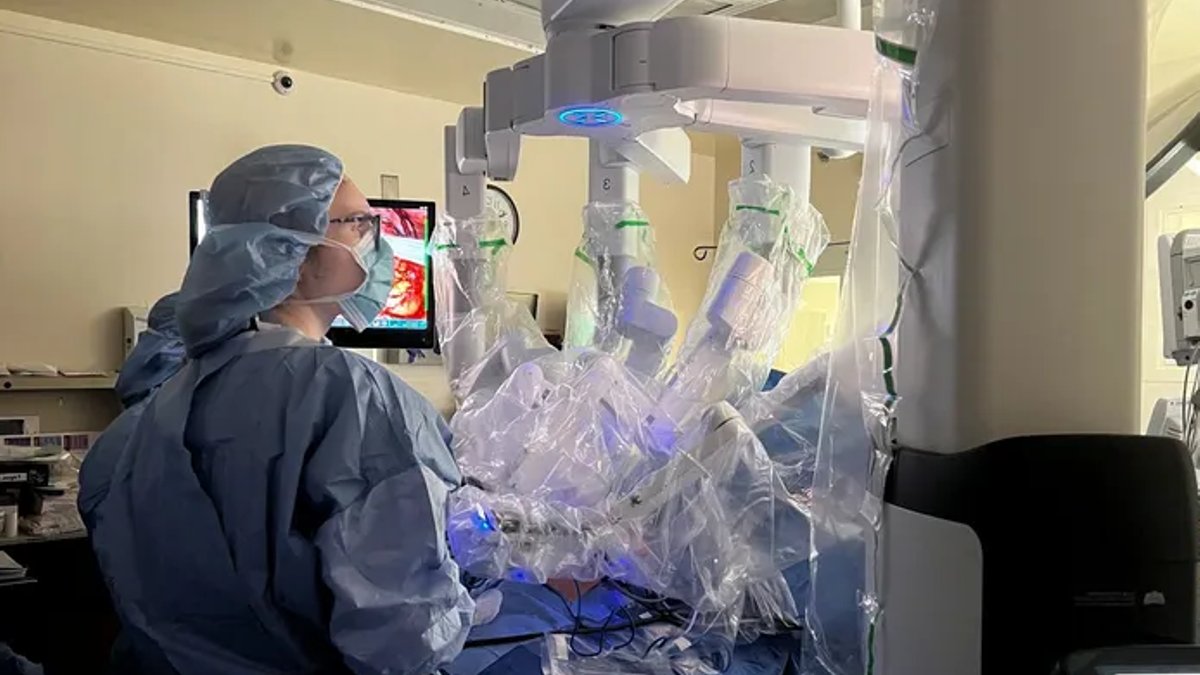
Intuitive reported that the pace of U.S. procedures performed with its da Vinci surgical robots slowed in the second quarter, a shift it linked to the expiration of enhanced Affordable Care Act premium subsidies.
Procedure growth slows as subsidies end
The enhanced marketplace subsidies lapsed at the end of 2025, and Congress did not renew them. The change prompted a drop in enrollment and a move toward higher‑deductible health plans. In a call with analysts, CEO Dave Rosa said some customers indicated that “changes in patient coverage and premium changes may be affecting when patients seek care and move forward with treatment.”
U.S. da Vinci procedures grew 12% year‑over‑year, a figure that fell short of earlier expectations. The slowdown was most apparent in surgeries that can be postponed, such as elective orthopedic or certain gastrointestinal operations. Outside the United States, the company saw a 20% increase in procedures, indicating stronger demand internationally.
System placements remain robust
Despite the softer U.S. procedure volume, Rosa highlighted continued strength in system placements, especially for the newer da Vinci 5 platform. Intuitive reaffirmed its outlook for worldwide da Vinci procedure growth in 2026 at 13.5% to 15.5%, expecting the actual result to land near the midpoint of that range.
Shares fell 12% to $354.26 in Friday morning trading, reflecting investor concerns about the near‑term impact of the subsidy expiration. Citi Research analyst Joanne Wuensch described the outlook as “tricky,” noting that earlier warnings about ACA subsidy cuts have now materialized. She added that the update was tempered by “continued strength in the global capital purchasing environment,” but that the pressure would likely affect the stock in the short term.
Related: Funding Surge Fuels Digital Health Growth in H1
Intuitive is also pushing new product development. The company has filed a 510(k) application for a flexible robotic endoscope designed for gastrointestinal procedures and is pursuing additional FDA clearances for early‑stage R&D programs aimed at new disease areas. Recent regulatory clearance for the da Vinci 5 robot in India expands its global footprint.
Competition is intensifying. New entrants such as Medtronic, CMR Surgical, Distalmotion and Moon Surgical are targeting the U.S. market, especially ambulatory surgery centers (ASCs) that have historically lacked robotic surgery capabilities. Intuitive is responding by selling refurbished older‑model da Vinci systems to ASCs and to cost‑constrained customers abroad, while also working to extend the life of certain instruments to lower procedure costs.
CFO Jamie Samath highlighted cardiac and nipple‑sparing mastectomy procedures as promising long‑term growth areas. Procedure growth in both markets accelerated sharply in the second quarter, prompting investment in cardiac‑specific instruments and additional clinical evidence to support mastectomy applications.
The current softness mirrors past cyclical dips that followed major policy changes in the health‑care sector, suggesting that the market may adjust once patients and providers adapt to the new insurance environment. The pattern resembles earlier periods when reimbursement shifts temporarily reduced elective surgery volumes before stabilizing.