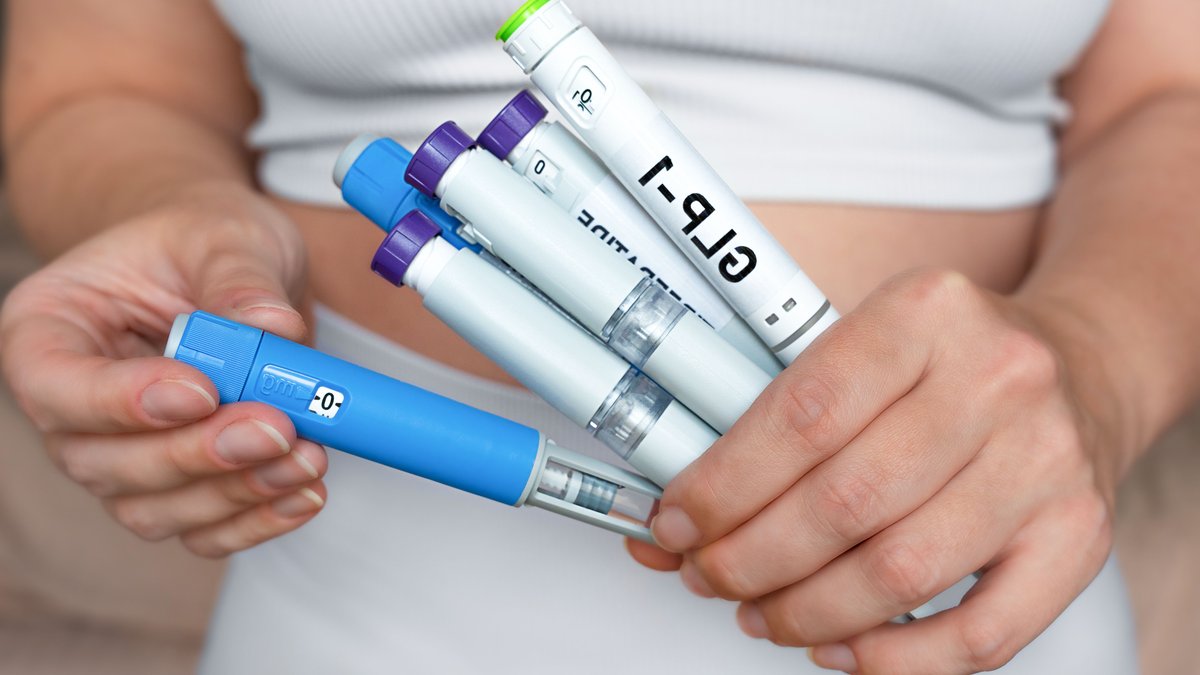
Two posters presented at the American Academy of Ophthalmology 2026 Annual Meeting in New Orleans, Louisiana, from October 10-12, highlighted the potential benefits of glucagon-like peptide-1 receptor agonists (GLP-1RAs) in reducing the incidence of diabetic macular edema (DME) and the need for glaucoma surgery. These findings were detailed in abstracts PO656 and PO154, presented by researchers including Abboud I, Abdel-Jaber H, and Adelpour M.
GLP-1RAs and Diabetic Macular Edema
The first poster focused on patients with diabetic retinopathy (DR) who were taking either metformin or GLP-1RAs. Researchers compared the development of DME in these groups over a 7-year period. The study included 3,920 patients in each cohort, all aged 40 years or older, matched by demographics, comorbidities, DR severity, and prior treatments. Cox models were used to assess DME development, with follow-up data collected at 1, 3, 5, and 7 years.
While DME development was similar in the first year (12.2% for GLP-1RAs vs. 12.7% for metformin), the GLP-1RA group showed lower rates at 3 years (24.3% vs. 27.9%), 5 years (29.8% vs. 35.9%), and 7 years (30.9% vs. 39.5%). This suggests that GLP-1RAs may offer a protective effect against DME progression in patients with DR. The researchers concluded that GLP-1RAs had a favorable ocular safety profile compared to metformin.
Read Also: Pola-R-GemOx Improves Survival in DLBCL Patients
GLP-1RAs and Glaucoma Surgery
The second poster examined the impact of GLP-1RAs on the need for traditional glaucoma surgery in patients with type 2 diabetes and glaucoma. The study included 16,753 patients using GLP-1RAs and an equal number not using them, all aged 40 years or older, matched using propensity score matching. Adjusted hazard ratios (aHRs) were calculated for trabeculectomy, tube shunt implantation, and cyclophotocoagulation (CPC) over 3 years.
Over this period, patients on GLP-1RAs had significantly lower rates of trabeculectomy (0.28% vs. 0.63%), tube shunt implantation (0.97% vs. 2.12%), and CPC (0.39% vs. 1.00%) compared to those not on the treatment. Hazards were notably low for CPC (aHR, 0.38) and shunts (aHR, 0.47) through 2 years, with all 3-year aHRs remaining significant. The researchers emphasized the need for future studies to validate these findings and incorporate clinical parameters for more thorough measurement.