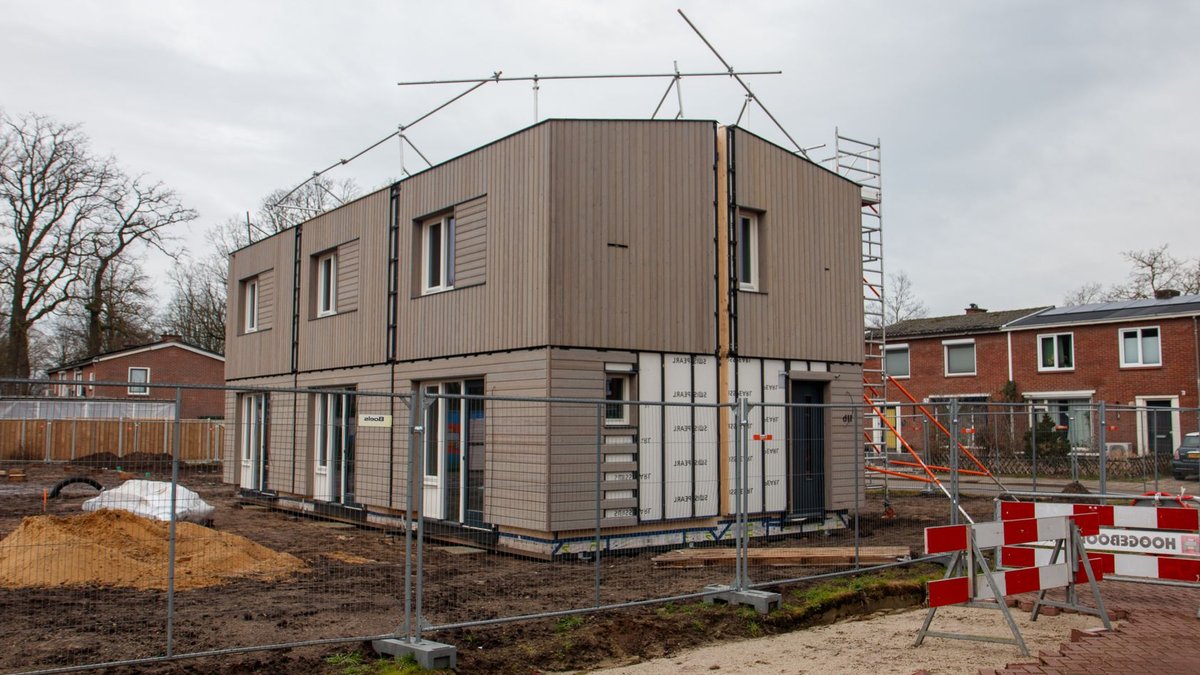
Elevance Health has invested over $1 billion in affordable housing nationwide, the Indianapolis-based insurer announced this week. Its latest funding round—$640 million over the past five years—supported 2,654 housing units in 10 states, including apartments, townhomes, and single-family homes.
Decades of investment, thousands of units
The investments made over the past five years span 15 properties and have supported the development of 2,654 affordable housing units across 10 states. Over nearly two decades, Elevance has invested more than $1 billion across about 400 properties, supporting more than 40,000 housing units in 45 states, the District of Columbia, Puerto Rico and Guam. The strategy is part of its effort to address social drivers of health, lower total cost of care and expand access to stable housing for people who may otherwise face barriers to care. The focus includes Medicaid populations, seniors on fixed incomes, people with disabilities, and those at risk of homelessness.
An internal analysis of affiliated Medicaid plan members with high healthcare utilization found that 43% of members with more than 50 emergency room visits per year were experiencing homelessness. The insurer said its affiliated health plans also connect members to housing resources and services, including support for past-due rent, utilities, move-in expenses and security deposits. In one example cited by the company, flexible housing support programs helped about 1,500 households across multiple states cover rent, utilities and other housing-related expenses.
“Access to safe and stable housing is fundamental,” Aimée K. Dailey, president of Government Health Benefits at Elevance Health, said in the announcement. “Our continued investment reflects a long-term commitment to addressing the underlying factors that impact overall health. By focusing on high-impact housing initiatives and strong local partnerships, we are helping individuals and families achieve stability, improve their health, reduce avoidable healthcare costs and create a foundation for long-term wellbeing,” Dailey said.
Related: Global wellness market to hit 11 trillion
Housing as a health intervention
Housing has become an increasingly important finance and care-management issue for health plans, Medicaid programs and others because unstable housing can make it harder for patients to access routine care, manage chronic disease and avoid expensive emergency department visits.
The U.S. Department of Housing and Urban Development’s 2024 Annual Homelessness Assessment Report found that 771,480 people experienced homelessness on a single night in January 2024, the highest number recorded since federal data collection began. HUD said the total represented about 23 of every 10,000 people in the United States.
The health system implications are also measurable. Data from the Centers for Disease Control and Prevention showed that the rate of emergency department visits by people experiencing homelessness increased from an estimated 141 visits per 100 people per year in 2010–2011 to 310 visits per 100 people per year in 2020–2021.
For insurers, housing investments may be one way to reduce avoidable utilization among high-need members, especially in Medicaid managed care populations. But the financial case can be difficult to prove, since savings may accrue over time and may depend on whether members remain enrolled long enough for a plan to benefit from the investment.
Related: UnitedHealth Expands Rural Health Hubs in Tennessee
Elevance also said one state-based program showed that more than 90% of participating members maintained stable housing six months after receiving support.
“Affordable housing is a critical foundation,” Dr. Adrienne McFadden, chief medical officer of Government Health Benefits at Elevance Health, said in the announcement.
Elevance reported medical membership of about 45.4 million as of March 31, 2026, in its first-quarter earnings release. The company also raised its full-year 2026 adjusted diluted earnings-per-share guidance to at least $26.75, supported by underlying business strength.
The investment aims to create long-term stability in both housing and health outcomes.