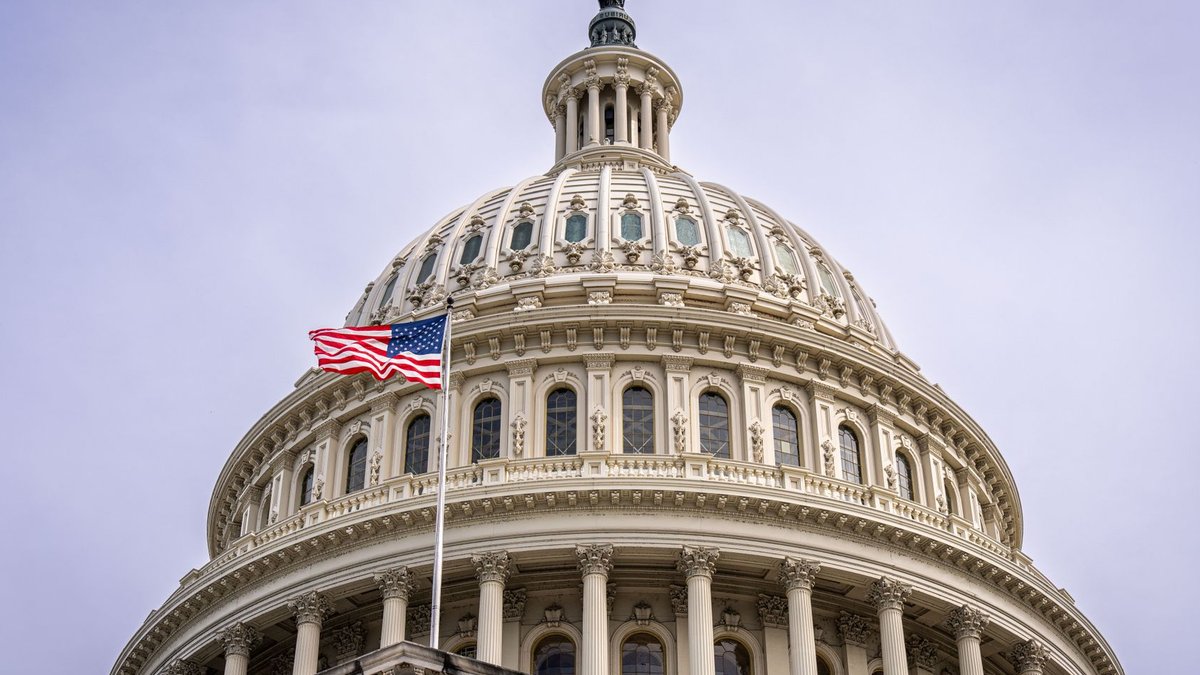
The House is expected to vote on legislation to extend Affordable Care Act enhanced subsidies for three years, according to the report. The proposal has little chance in the Senate, as a similar three-year extension failed to get Republican votes in December.
A group of bipartisan senators say they are close to a deal on a compromise bill for the ACA subsidies, which has renewed hope for the extension. They have been negotiating the terms of the compromise.
Compromise Bill Details
The emerging compromise centers on a two-year extension, with the option to have funds deposited in a Health Savings Account in the second year, instead of the government subsidies going to the insurance company. This approach is seen as a way to make the subsidies more efficient.
The compromise is being negotiated by a small bipartisan group of senators, who have told reporters they are nearing a deal. The senators are working to find a solution that works for both parties.
Background on the Subsidies
The Affordable Care Act has always had tax subsidies, but the Inflation Reduction Act introduced enhanced premium tax credits that extended the subsidies to beneficiaries with higher incomes. These subsidies have been a key component of the US healthcare system.
Keeping the subsidies has been a contentious debate that led to the longest government shutdown in US history last October. The debate has been ongoing, with both parties presenting their arguments.
Some Republicans have been persuaded to support an extension, as ending the subsidies would result in a doubling of premiums and an increase in the number of uninsured. Supporting the subsidies has also been seen as a win for their reelection chances.
Nine House Republicans sided with Democrats to force a procedural vote on an extension bill. The final House vote on the bill is expected later today, with the proposal passing 221-205 in the procedural vote on Wednesday.
The Affordable Care Act subsidies are a critical component of the US healthcare system, and their fate will have significant implications for millions of Americans. The subsidies play a key role in making healthcare more affordable for lower- and middle-income families.
In the context of healthcare after the pandemic, the subsidies are essential for ensuring that everyone has access to quality care. A recent poll found that one in four marketplace beneficiaries would likely go without insurance rather than pay double the amount in premiums.
With open enrollment for ACA plans ending on January 15, the timing of the vote is critical, and the outcome will have a significant impact on the number of people who have access to healthcare in the coming year. The outcome is still uncertain.
The CMS has not released enrollment numbers for Obamacare plans since December 5, 2025.