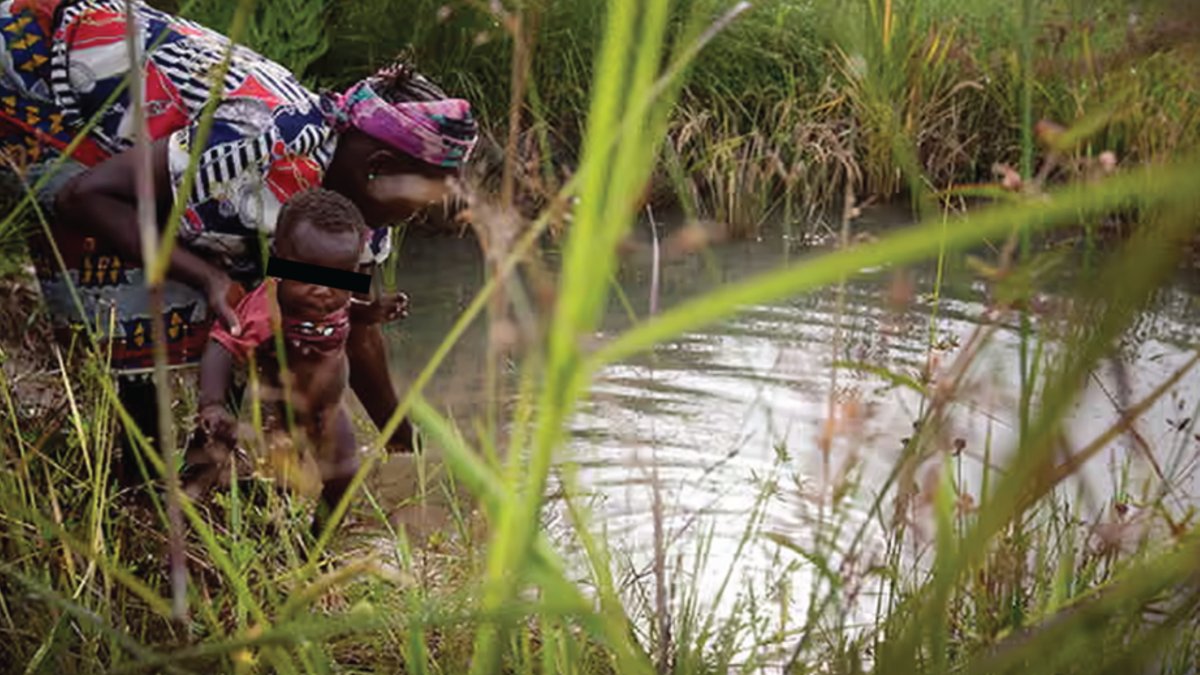
A recent policy dialogue in Kaduna, Nigeria, highlighted the challenges in eliminating river blindness, or onchocerciasis, a disease caused by a parasite transmitted through infected blackfly bites.
The event, organized by Nigeria Health Watch and the Kaduna State Ministry of Health, revealed that community drug distributors often visit during the farming season, missing residents who are away working.
The Challenge of Reaching Everyone
River blindness can lead to severe itching, skin disease, and permanent blindness. Ivermectin treatment prevents these issues and stops transmission. However, reaching all eligible residents, including adults and children over 90 cm tall, remains difficult.
The World Health Organization excludes pregnant women, new mothers, and the seriously ill from routine treatment. This means programs must consistently reach eligible residents over many years.
Knowledge vs. Willingness
A 2026 baseline assessment in Kachia, Kagarko, and Lere found that 48.7% of respondents had adequate knowledge about river blindness, while 90.6% were willing to take ivermectin. This indicates that awareness alone isn’t enough to improve participation.
Dr. Sadiq Abubakar, Director of Public Health at the Kaduna State Ministry of Health, emphasized, “Behind every untreated eligible person is a community that will still remain at risk.”
After nearly three decades of annual ivermectin distribution, Kaduna stopped mass treatment in 2018 due to interrupted transmission. However, 2025 research detected transmission in Kachia and Kagarko, prompting a reevaluation.
Residents need clear explanations about the changes, evidence, and why treatment is still necessary, even for those feeling well. Program managers should coordinate distribution dates with communities, plan return visits, and provide platforms for questions. Women, farmers, people with disabilities, and displaced households should help shape these efforts.
Traditional leaders, imams, and church leaders can identify missed households and raise concerns with health officials. Rebecca Martin, a community-based advocacy representative, noted, “We don’t just go into the community and tell them what we have, but we allow them to tell us what they know about river blindness and how it is caused and prevented.”
Sustaining progress against neglected tropical diseases requires stronger domestic funding and government ownership. While external funding helps, predictable government resources are essential for routine costs. The dialogue’s draft communiqué proposes a dedicated provision for NTDs in Kaduna’s 2027 budget, alongside local government contributions.
Related Post: Nigeria health reforms face key test
Domestic funding is essential for supporting treatment delivery teams. Discussions highlighted the need for transparent payment systems and training for drug distributors. Anita Gwom, Programme Director at Sightsavers Nigeria, remarked, “We have been waiting for integration for the past 20 years.”
Kaduna needs reliable funding to determine when treatment can safely end, following WHO guidelines that rely on blackfly and antibody testing. The 2027 budget should address the cost of evidence-gathering, including laboratory work and field visits.
Federal and state authorities should publish assessment methods, findings, and treatment decisions, explaining implications to communities. Neighboring states should coordinate surveillance at border crossings.
Before the next treatment round, Kaduna and participating LGAs should publish agreed actions, responsible institutions, and funding arrangements. Reviews should track progress in reaching missed communities.
For those who miss treatment, the solution starts with a return visit at a community-agreed time, with distributors equipped and funded for travel. Kaduna’s next treatment round will show whether these efforts make a difference.
Anita Gwom highlighted the long-standing need for integration, stating, “We have been waiting for integration for the past 20 years.” Proposed measures include NTD focal persons in primary healthcare facilities, staff training, and routine supervision.
Establishing Safe Treatment Endpoints and Surveillance
Financial constraints in the Kaduna study limited the analysis of blood samples, highlighting the need for adequate funding.
Financial and Operational Support for Treatment Delivery
Domestic financing is key to ensure treatment delivery teams are adequately supported. Transparent payment systems are needed, with agencies verifying outstanding claims and clarifying agreed rates and timelines. Drug distributors require training, supervision, and resources for travel between settlements. Relying on volunteers to cover these costs hinders sustained and equitable treatment coverage.
Financial constraints, such as naira devaluation and inflation, impact research capacity, as seen in the Kaduna study where only half of collected blood samples were analyzed.