As the 2026 Youth Olympic Games prepare to open in Dakar on 31 October, officials remind spectators that an athlete’s moment on the track is the culmination of years of support, training and planning.
A safe pregnancy begins long before conception
In West and Central Africa, early-life conditions such as nutrition, schooling and empowerment shape future maternal outcomes.
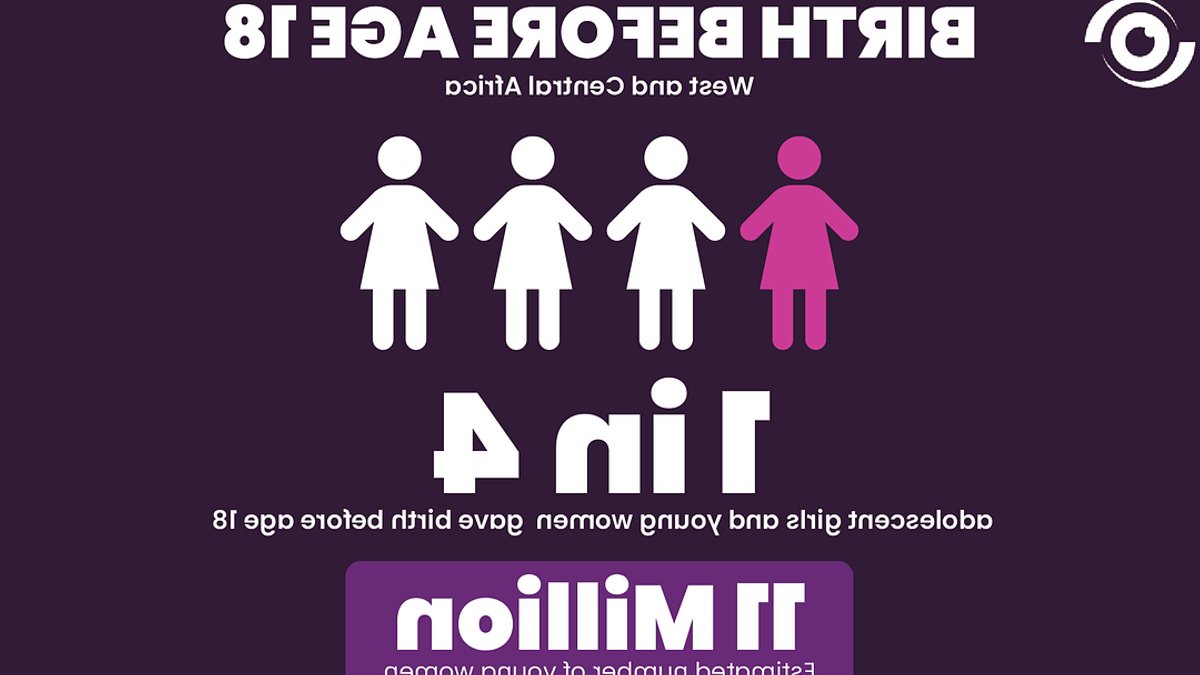
According to recent data, about one in four adolescent girls and young women in the region gave birth before age 18 in 2023, representing roughly 11 million individuals. Reducing this figure requires not only medical care during pregnancy but also preventive measures during adolescence.
Modern contraceptive use is rising across the region. In Senegal, an estimated 900,000 women used a modern method in 2025. The FP2030 initiative projects that this level of use will prevent 350,000 unintended pregnancies and avert approximately 640 maternal deaths.
Access to contraception also enables women to space births. The World Health Organization recommends waiting at least 24 months after a live birth before attempting another pregnancy; yet more than 10% of births in the 14 examined countries occur within that interval.
Evidence from sub-Saharan Africa links unintended pregnancies to lower use of maternal health services, including delayed antenatal care. This shows the need for continuous support that begins before a woman becomes pregnant.
World Contraception Day: Investing in a safer start
Across West and Central Africa, modern contraceptive use is preventing unintended pregnancies and lowering pregnancy-related deaths. Investing in those conditions gives every child, not only future Olympians, a safer start. World Contraception Day on 26 September provides an opportunity to translate that understanding into policy and investment.
Related Post: Health Systems with Centers Lead Care Coordination
Ensuring adolescents and young women can access confidential, respectful, adolescent-friendly sexual and reproductive health services is essential for informed choices. When a mother survives, she is more likely to contribute to her family’s economic well-being and participate in her community. Every child deserves conditions for a healthy future, many of which are set long before birth.
Coordinated regional effort
Since 2011, the Ouagadougou Partnership has united nine Francophone West African nations to accelerate family-planning access. The partnership reports nearly 3.98 million additional modern-contraception users against its 2025 target.
Between 2011 and 2025, the partnership estimates that increased contraceptive use averted about 30.3 million unintended pregnancies and 8.9 million unsafe abortions, highlighting the impact of coordinated policy.
Country-specific reforms illustrate this trend. Burkina Faso expanded free family-planning services nationwide in 2020, while Côte d’Ivoire formalised free provision of contraceptives in public facilities in 2024 and plans to extend the initiative to 67 districts by February 2026.
Governments have pledged higher domestic funding for family planning. In Benin, a 2021 amendment to the sexual and reproductive health law expanded the legal circumstances under which abortion may be authorised.
Ensuring sustainable financing
Sustained financing remains a central pillar of the regional strategy. While governments have pledged higher domestic allocations, translating those pledges into predictable budget lines continues to pose challenges.