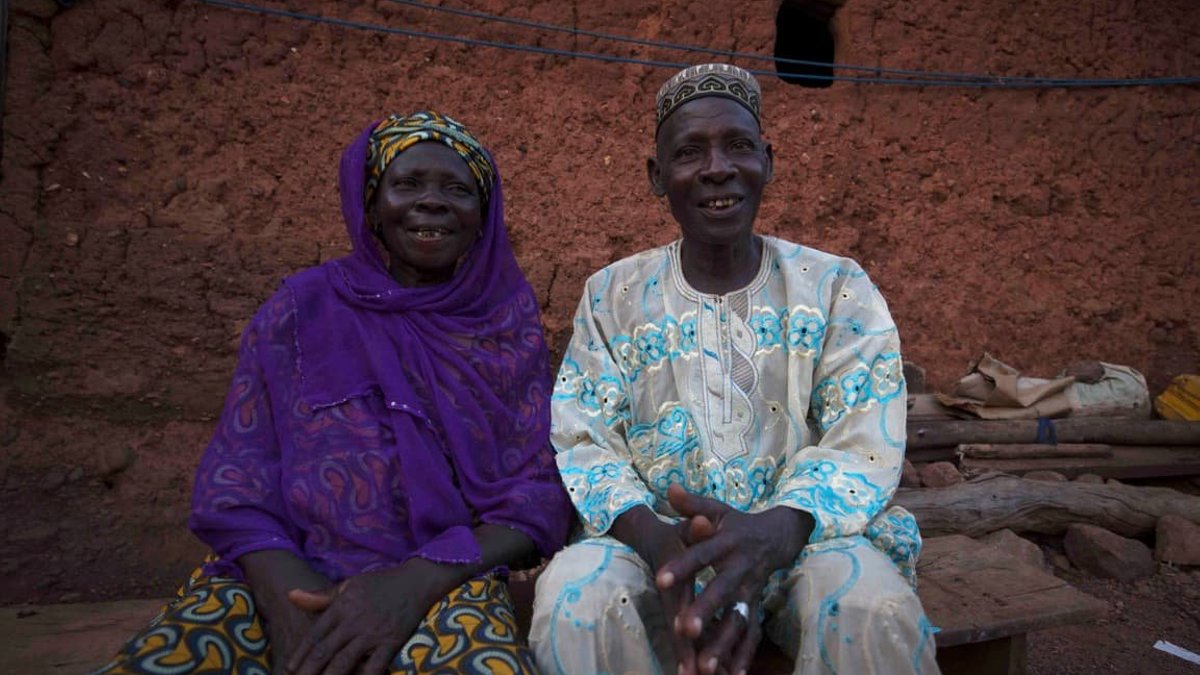
The phrase “Long Life and Prosperity” is a common birthday wish in Nigeria, expressing hope for a long and fulfilling life. However, Nigeria’s life expectancy at birth ranks among the lowest globally, raising concerns about the country’s healthcare system and its ability to support people in old age.
Despite this, there is good news: the global population is living longer, with the number of people aged 60 or over projected to rise from approximately 1.22 billion in 2025 to over 2.1 billion by 2050. By 2050, 80% of older people will be living in low- and middle-income countries.
The Challenge of Longevity in Nigeria
The United Nations has chosen “The Age of Longevity: Rethinking Systems for Longer Lives” as its theme for the 2026 International Day of Older Persons, highlighting the need for societies to adapt to longer lives and ensure healthy, productive, and dignified ageing.
In Nigeria, the challenge is not just about living longer, but also about ensuring that older people have access to the care they need. The Nigerian government has put in place a policy and institutional framework for older persons, including the National Policy on Ageing and the National Senior Citizens Centre Act, 2017.
However, the challenge lies in turning this framework into sustained, measurable action that reaches older Nigerians at scale. In 2023, the Minister of Humanitarian Affairs and Poverty Alleviation announced that President Tinubu had directed the ministry to reserve 10% of social safety-net intervention programmes for older persons, but there is no record of whether this commitment was met.
The Coalition of Societies for the Rights of Older Persons in Nigeria has called for improved access to healthcare, expanded health insurance coverage for retirees, and stronger social protection systems for older persons. The Renewed Hope Initiative Elderly Support Scheme, led by First Lady Senator Oluremi Tinubu, has provided some support, but it is an annual event that serves only a small fraction of senior citizens.
Addressing Systemic Barriers
To address the needs of older Nigerians, it is essential to ensure that health reforms address systemic barriers such as poor rural healthcare access, economic challenges, and a shortage of trained workers. The National Senior Citizens Centre should be adequately funded to fulfil its mandate, and the federal government should strengthen the implementation of existing ageing policies.
The National Assembly should advance the Older Persons Rights Bill, 2025, towards enactment, which seeks to provide health and economic relief while strengthening the social and civil rights of older Nigerians. Every intervention should carry a rural mandate, as most older Nigerians live in rural communities.
As the Nigerian government rethinks its systems for longer lives, it is necessary to consider the needs of older people and ensure that policies reach beyond the cities and into the communities where they live. The National Senior Citizens Centre’s mandate should be clearly understood, and renaming it as a Commission or Agency on Ageing would give the public an accurate picture of what the body actually does.
A federal coordinating and policy body, the National Senior Citizens Centre is responsible for identifying the needs of older people, managing data, and developing strategies. The Centre’s mandate includes coordinating with other agencies to improve the wellbeing of older Nigerians.
Implementing Ageing Policies
An earlier version of the Bill was passed by both chambers of the 9th National Assembly but stalled without presidential assent.
In November 2025, the Bill received a public hearing, marking a significant step towards its enactment. The federal government should prioritize the implementation of existing ageing policies and consider additional legislation or amendments where gaps in accountability and enforceability remain.
However, a policy-backed intervention with defined coverage targets, public commitments, and a clear timeline is needed to ensure that older Nigerians receive the care they need.