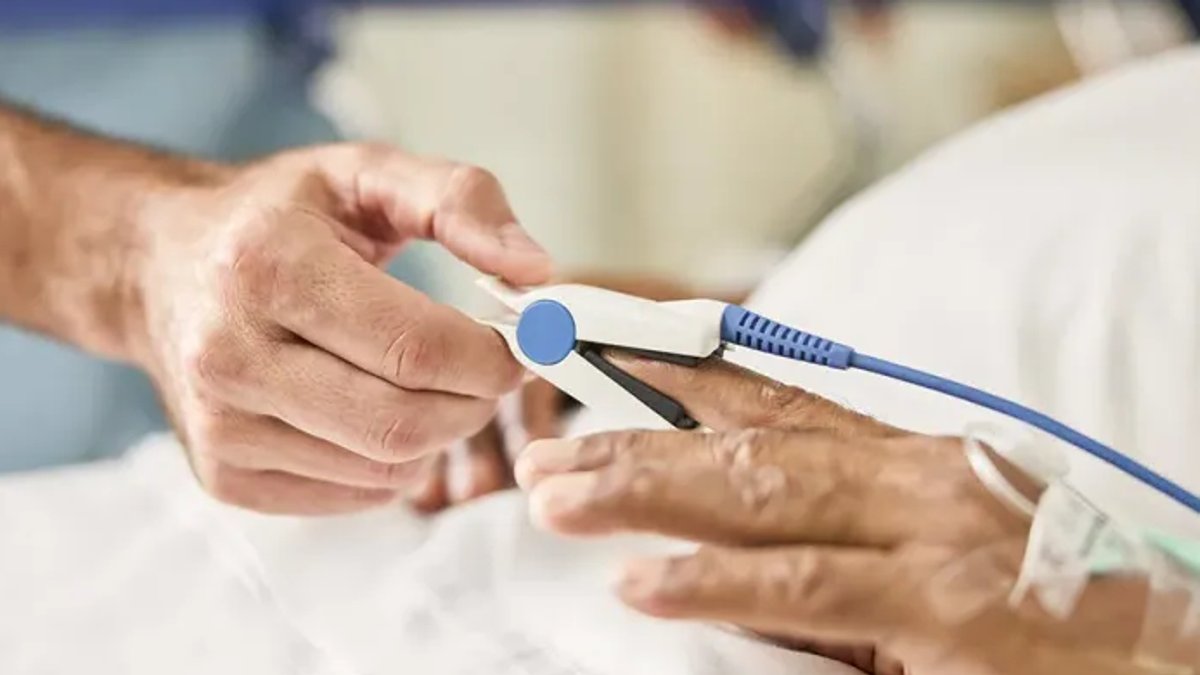
Philips has secured Food and Drug Administration clearance for a new pulse oximeter device designed to measure oxygen saturation levels. The device, a reusable clip sensor, features optical refinements intended to improve signal quality and measurement consistency. The company claims these upgrades will support reliable oxygen saturation measurements across diverse patient populations and clinical conditions, specifically addressing concerns that pulse oximeters have historically been less accurate for patients with darker skin pigmentation.
Testing and Accuracy Standards
Philips conducted testing under its pulse oximetry validation program, a rigorous process that evaluates device performance across diverse patient groups and a range of physiological and clinical conditions. Desaturation studies demonstrated an accuracy root mean square value of 1.6%. This measurement is used to calculate the statistical difference between the pulse oximeter readings and actual blood oxygen saturation.
Related: Resmed ventilators linked to serious injuries
The company states that its results are nearly twice as accurate as the 3% level recommended by the International Organization for Standardization and recognized by the FDA. In particular, the device showed consistent performance across a broad range of skin tones, with accuracy varying by less than 0.5% between people with light and dark skin pigmentation. This tight variance suggests the optical refinements successfully mitigated signal interference.
Regulatory Scrutiny and Historical Context
Disparities in pulse oximeter accuracy have been the focus of discussions by researchers and regulators for the last several years. In 2021, the FDA issued a warning about problems with pulse oximeter accuracy, following a study published in the New England Journal of Medicine. That study showed Black patients were three times more likely than white patients to have hypoxemia that went undetected by the devices. The findings raised serious questions about the equity of standard monitoring tools used in hospitals and emergency rooms.
The issue persisted into the COVID-19 pandemic. Another study published in JAMA in 2022 found that these disparities in pulse oximeter accuracy led to delayed COVID-19 treatment eligibility for Black and Hispanic patients. These studies forced the medical community to acknowledge that traditional calibration methods were not adequately accounting for biological differences in skin pigmentation.
Related: Physicians’ Wearable Data Use Hampered by Reimbursement and Workflow Barriers (2026 Guide)
The current market activity reflects a rush to update technology while the regulatory setting remains in flux. While companies like Philips and Medtronic are moving quickly to secure clearances for updated devices, the FDA’s own draft guidance on testing diversity has not been finalized. This gap means the industry is largely self-regulating to meet emerging standards rather than operating under a unified framework that could ensure equity is baked into device testing from the start. The delay forces developers to rely on independent research and public criticism to drive improvements, highlighting a lag between regulatory intent and the actual enforcement of standardized safety protocols.
The FDA issued draft guidance in early 2025 that called for studies to have a minimum of 150 people and specific guidelines on how to ensure participants include a range of skin tones. The guidance was released near the end of the Biden administration, but it remains on the FDA’s “under construction” list for the current fiscal year. Medtronic received clearance last month for an updated version of its Nellcor pulse oximetry system, stating it performed better than the requirements set out in the FDA’s draft guidance. Philips plans to make its new SpO₂ clip sensor available in certain global markets later this year.